Project: Bio-inspired voxel cell morphology simulator
How it works
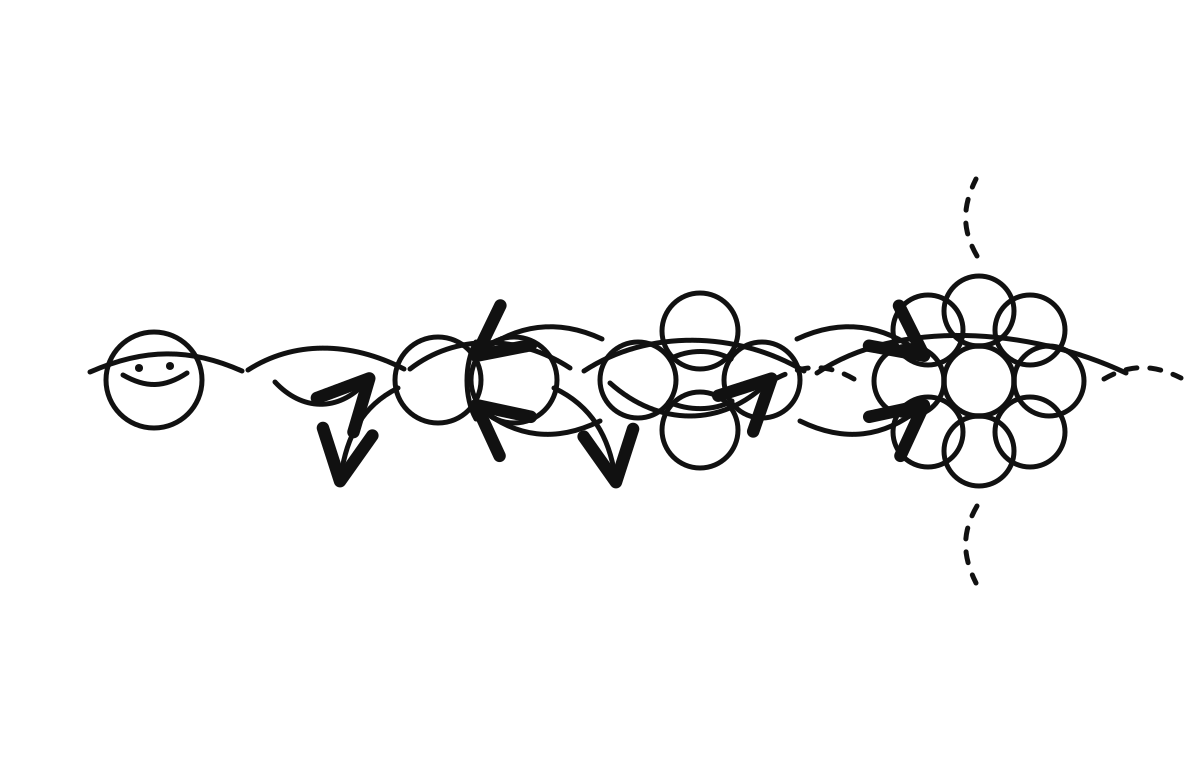
Each voxel is a cell with its own small environment of variables. The seed starts at (0, 0, 0) with is-seed = #t; every tick, every existing cell runs the same Lisp program shown in the editor.
The program can only use local substrate operations: check whether a neighbour exists, emit a named morphogen, read distance to the nearest previous-tick morphogen source, update its own state, and request replication into one of the six grid directions. Daughter cells inherit only the child state passed through :child-state.
Global form comes from those local rules. The cylinder grows an axis upward, emits a radial field from axis cells, then lets nearby cells fill sideways. The tree reuses the same pattern but switches the exhausted trunk tip into a canopy seed. The cone couples vertical potential to radial shell potential, so lower layers spread further than upper layers.